Stillwater, OK · Garage Door Service
Most Stillwater homes date to the 1966-1983 building boom, so we tell you straight whether your original garage door is worth fixing or better off replaced.
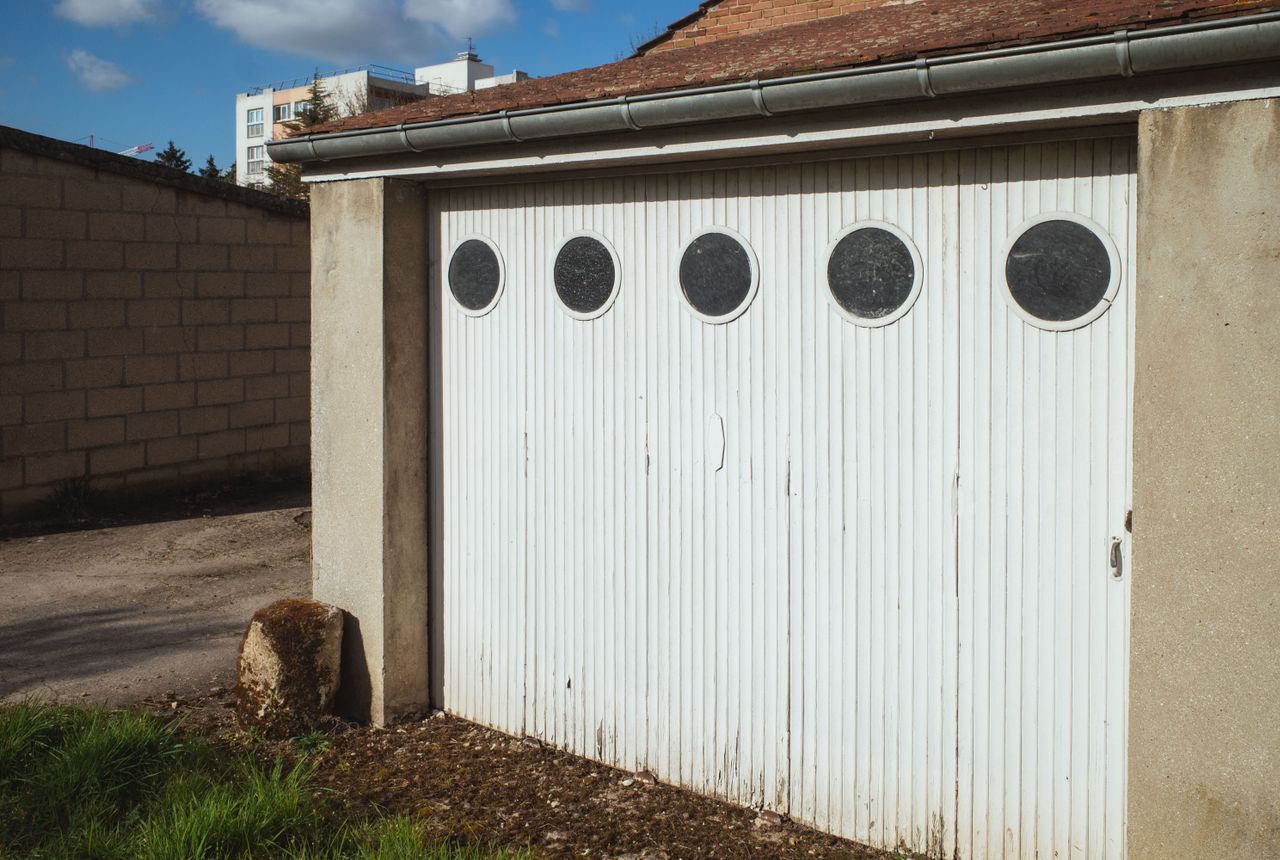
Most homes in Stillwater's service area went up between 1966 and 1983, with 1975 as the median build year, so a lot of original garage doors are pushing fifty years of hinges and rollers. That matters more in spring and fall than most owners think. A door that's run fine all summer will start binding the first cold morning, because the steel has contracted and the original tracks were never dead-level to begin with. We see this pattern across the seven named areas that make up this stock - it's the same door, the same age, the same complaints, house after house. If your door groans on the first cold start of the season but runs quiet by afternoon, that's the track and hardware telling you they're at the end of their tolerance, not a sign something just broke. It's worth a look before winter, not after the spring you already noticed it. A tune-up on a fifty-year-old track sometimes buys another two winters. Sometimes it doesn't, and that's a different conversation.
This area sits in a cold-moderate climate band, which means the door lives through real freeze-thaw cycles every winter rather than one long steady cold spell. That cycling is hard on old steel: the panel skin expands and contracts, the seams around the original hinges work loose, and the bottom seal - if it's still the original from a 1975-era install - hardens and cracks instead of flexing. On a door from that build era, the spring was sized for a heavier wood-core panel than most replacement panels use today, so if a panel's ever been swapped, the balance is probably already off even if it doesn't look it. None of this is dramatic. It's slow wear that shows up as a slightly harder pull, a spring that looks fine until it isn't, a door that starts an inch off level. On an original door from the 1966-1983 stock, that slow wear has had four or five decades of winters to work on it, and it shows in the numbers we see on service calls more than in anything visibly wrong with the door.
We can't put a number on your door without seeing it - a bent track and a broken spring cost differently, and a door that's been rebalanced twice already is a different job than one that's never been touched. What we can say is that median household income across this service area's roughly 3,780 households sits at $43,750, and a lot of the 2,327 owner-occupied houses here are carrying original hardware, so the decision usually isn't emotional, it's a budget call: fix the spring and cable now, or put that money toward a full replacement door and skip the next three service calls. An honest limitation here - we don't quote a firm price over the phone for anything beyond a basic spring swap, because the condition of fifty-year-old track and hinge hardware varies house to house even on the same street. What we will tell you on-site, before any work starts, is whether the repair is worth the money or whether you're better off putting it toward a new door.
We work out from Stillwater to Glencoe, Perkins, and Morrison, each about 11 miles out, Ripley at 12, and further to Perry at 17, Langston at 18, and Agra at 20. That range covers the same 1960s-70s housing stock built for this cold-moderate climate, so the doors we're called out to look the same no matter which of those towns the call comes from. The situation, most of the time, isn't that the door is unfixable - it's that nobody's touched the hardware since the house was built, and forty-some years of cold mornings have caught up with it all at once. We'd rather tell you the spring and roller job will hold for a few more winters than sell you a door you don't need yet. But when the track's rusted through or the panel's original wood-core steel has started to delaminate at the seams, that's past the point where another repair is the honest answer.
Often, yes, if the track and frame are sound - a spring, cable, or roller job on an old door can hold for years. The tipping point is usually the panel itself: once a wood-core steel panel from that era starts delaminating at the seams, repair stops being the cheaper option and replacement takes over.
This area runs a cold-moderate climate with real freeze-thaw swings, and original hardware from the 1966-1983 building era wasn't built with today's weatherstripping or lubrication standards. The steel and seals both stiffen with the first hard cold, which is exactly when a marginal track or spring finally shows itself.
Not a firm one, beyond a basic spring swap. Doors from this area's housing stock vary a lot in what's been touched over the decades, so we look at the actual track, spring, and panel condition on-site before telling you whether repair or replacement makes more financial sense.
Call now or request a free quote - same-day service on most repairs, upfront written pricing.
