Stillwater, OK · Garage Door Service
Garage Door Repair Built Around Stillwater's Own Housing Stock
What We Do
Repair, installation and service for garage doors across Stillwater.
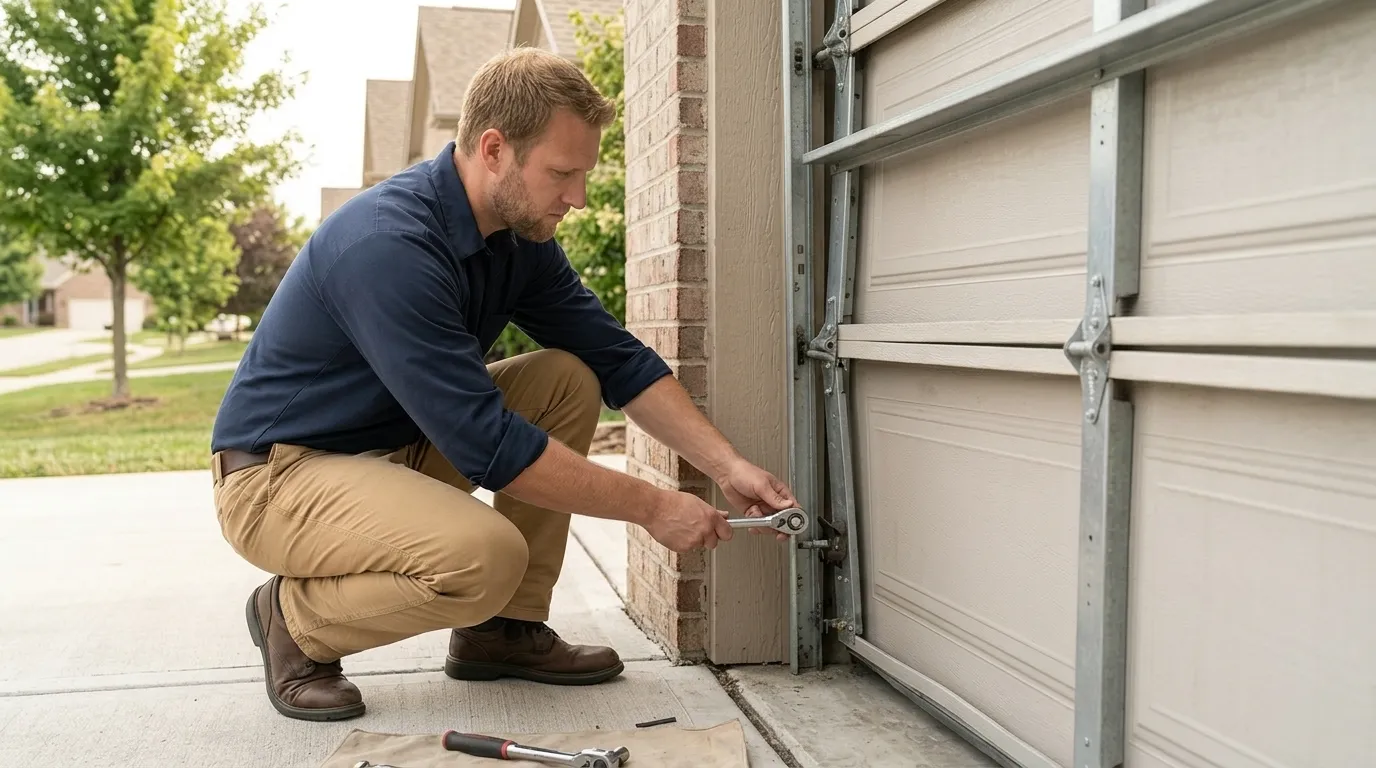
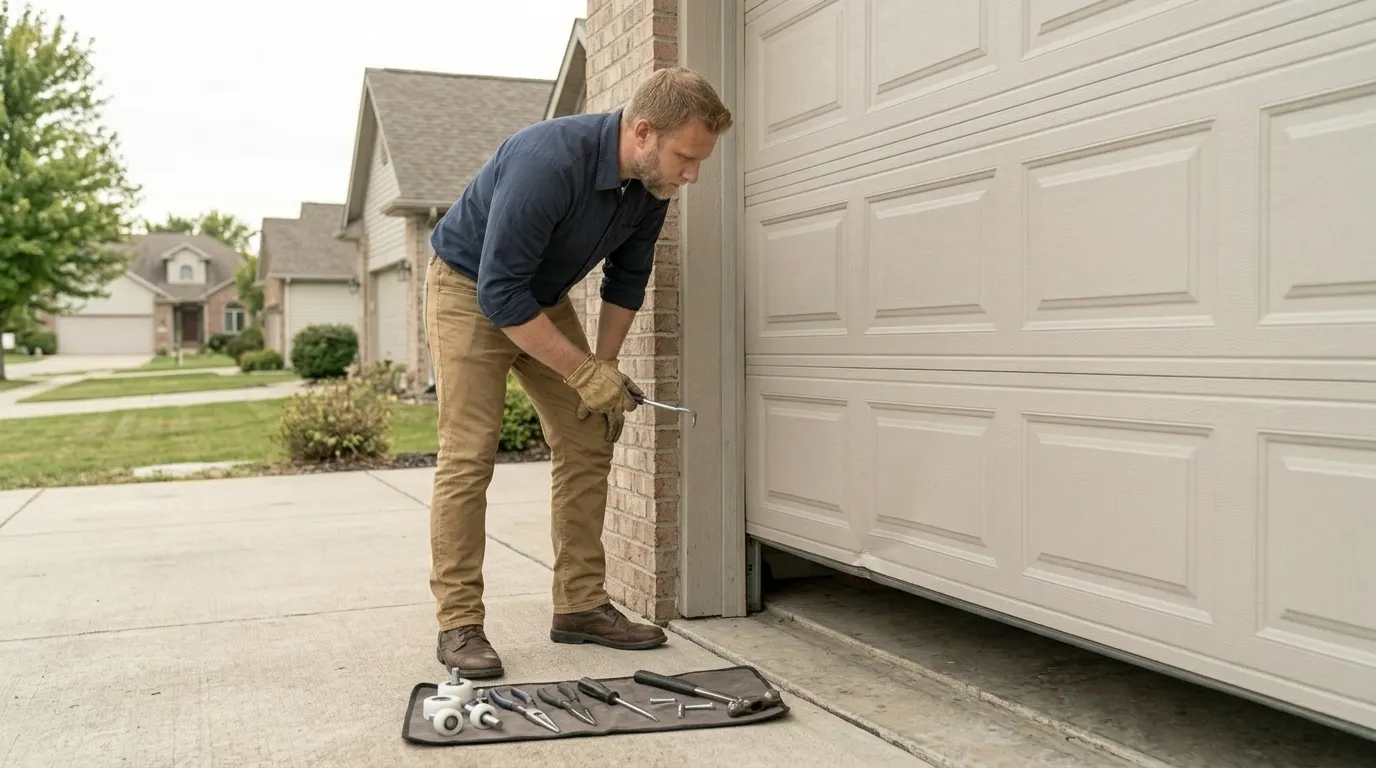
Spring, cable, and track repair for the 1960s-70s doors that make up most of Stillwater's housing. We know the hardware because we work on it every week.
Learn more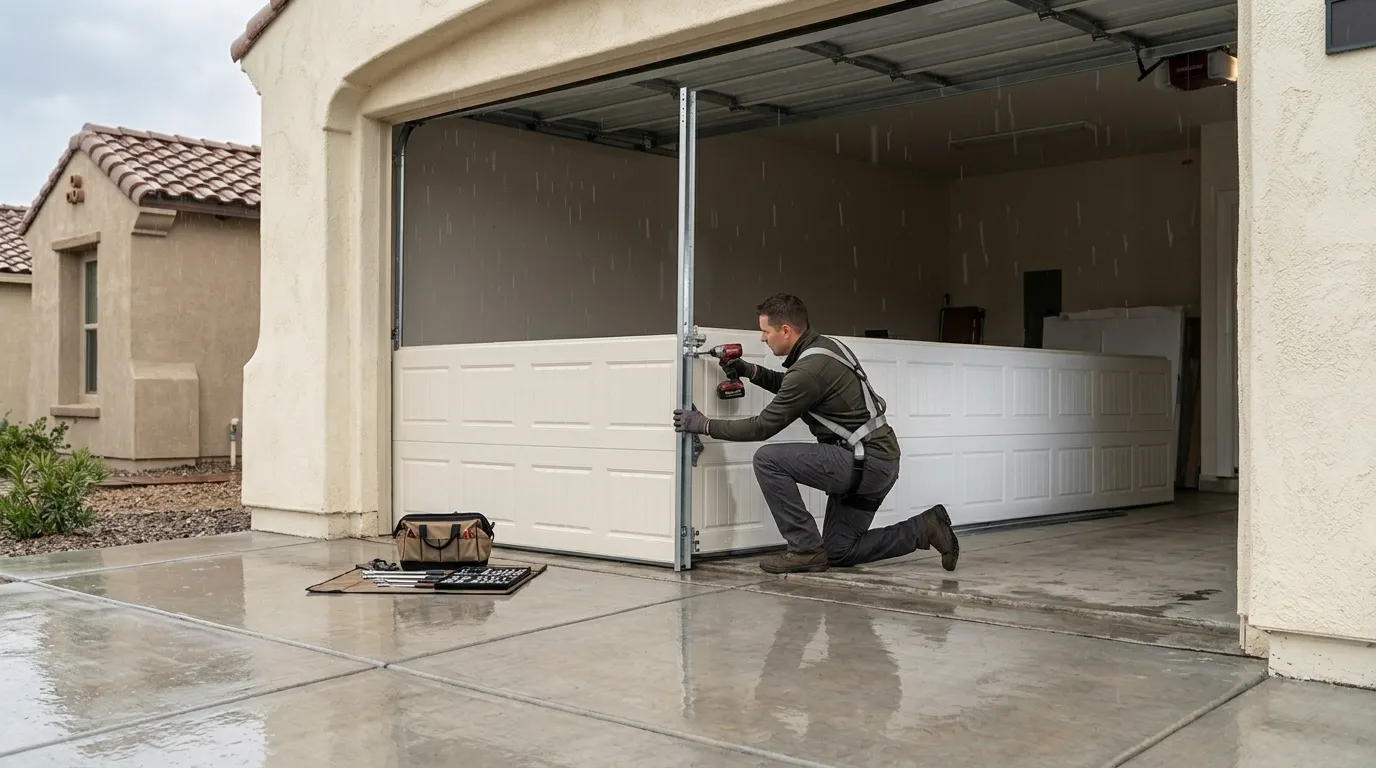
New garage door installation for Stillwater homes built 1966-1983, matched to original openings and sized for cold-climate wear. Serving Stillwater and nearby towns.
Learn more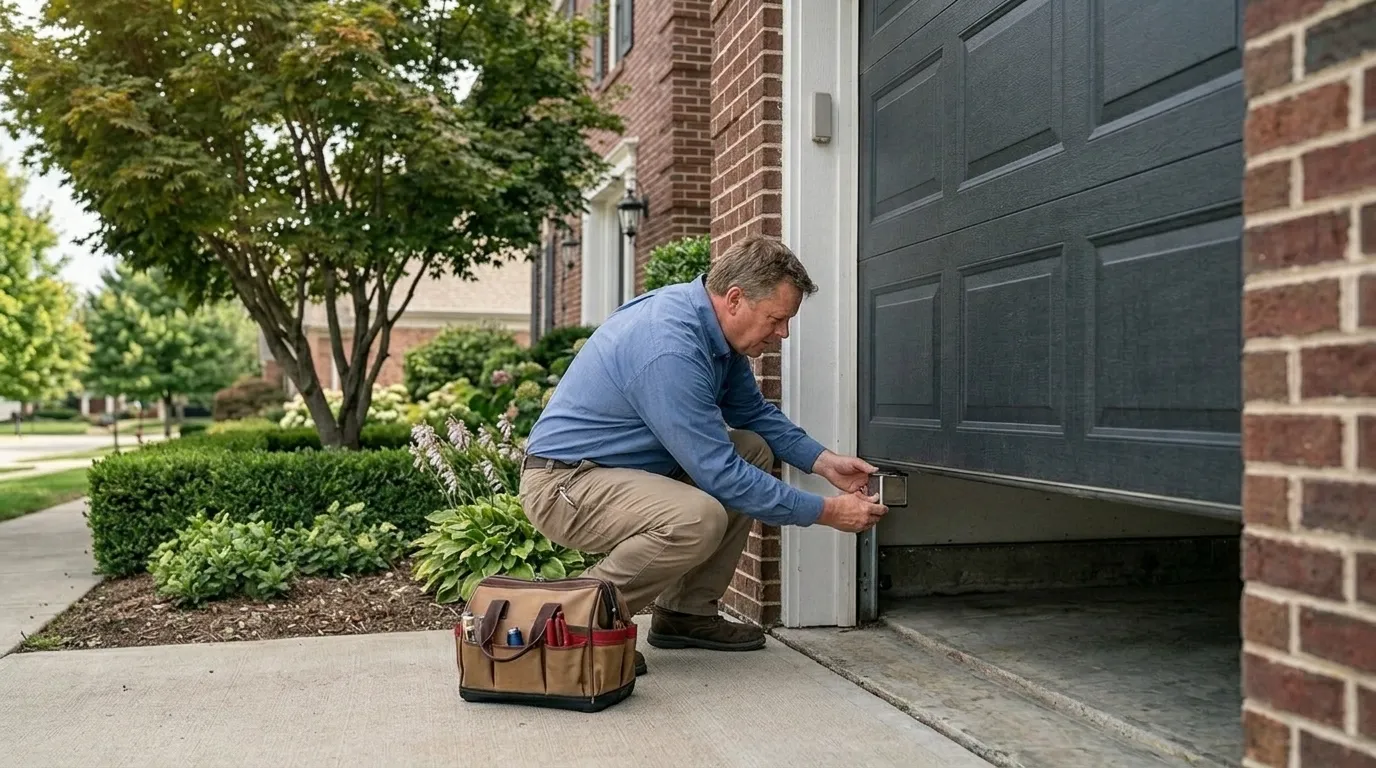
Garage door repair and service for Stillwater homes built mostly between 1966 and 1983, where original hardware and cold-weather swings wear parts out early.
Learn more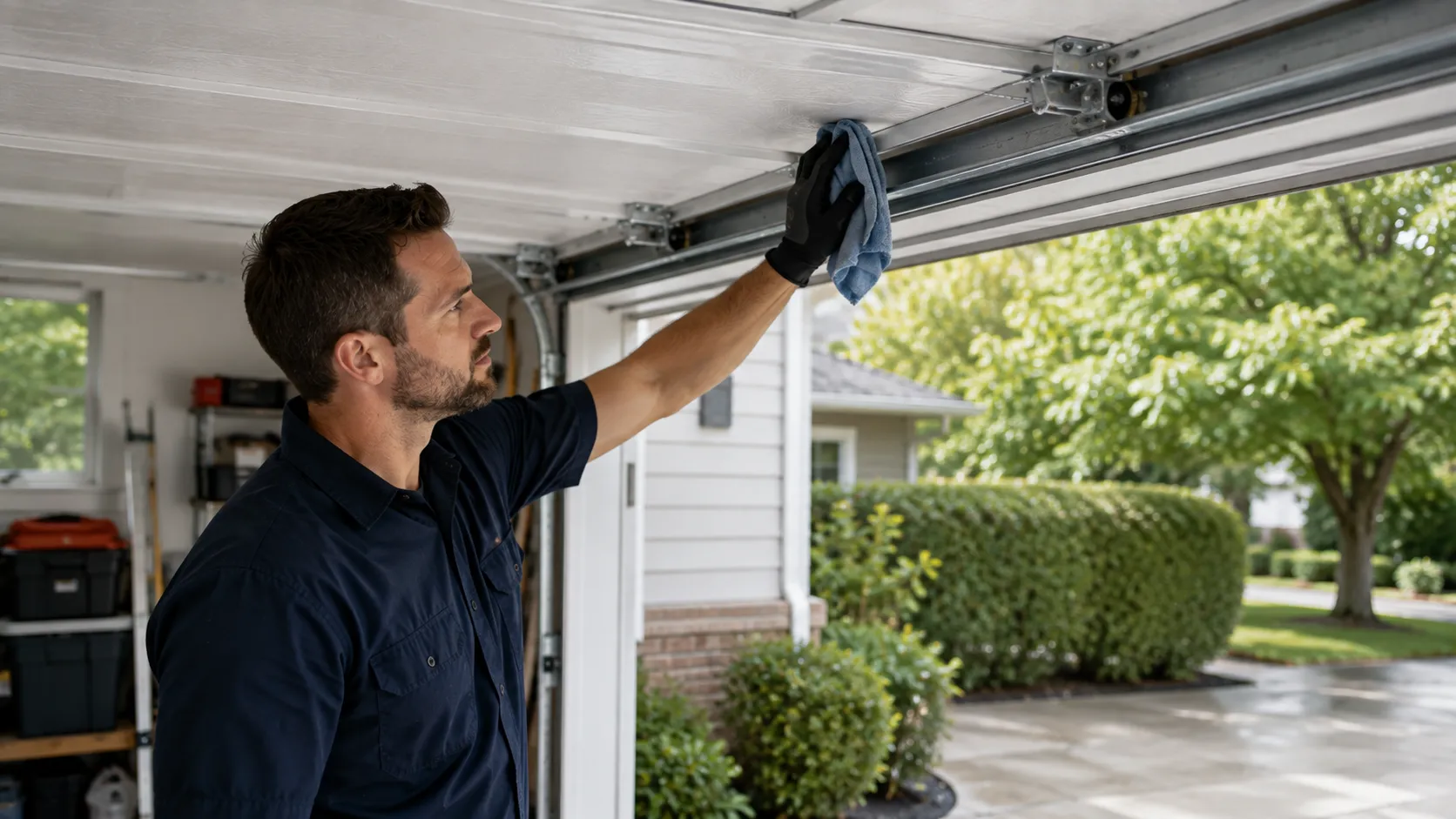
Opener installs and swaps for Stillwater-area homes built mostly 1966-1983, matched to original track hardware and the region's cold winters.
Learn more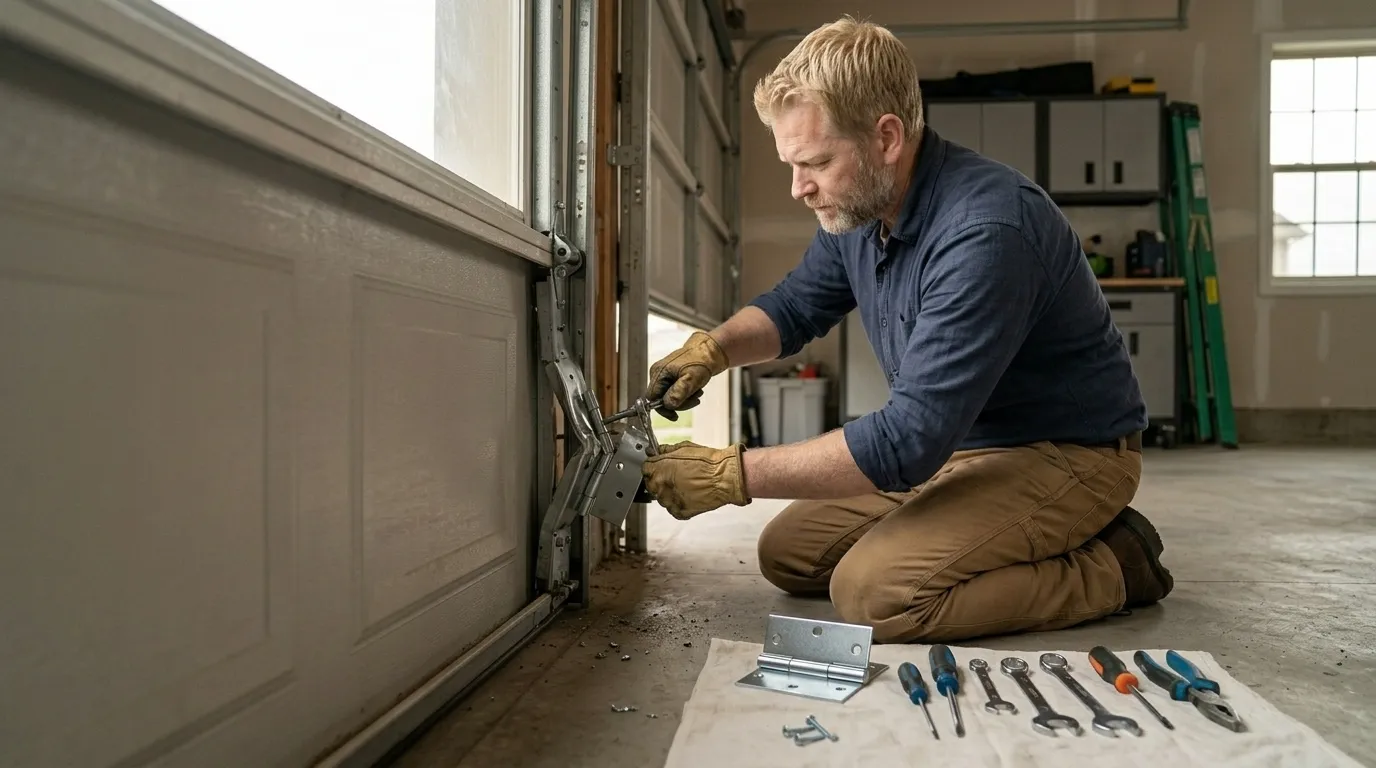
Broken or frayed garage door cables on Stillwater homes built in the 1966-1983 boom. We diagnose the cause and replace cables on torsion and extension setups.
Learn more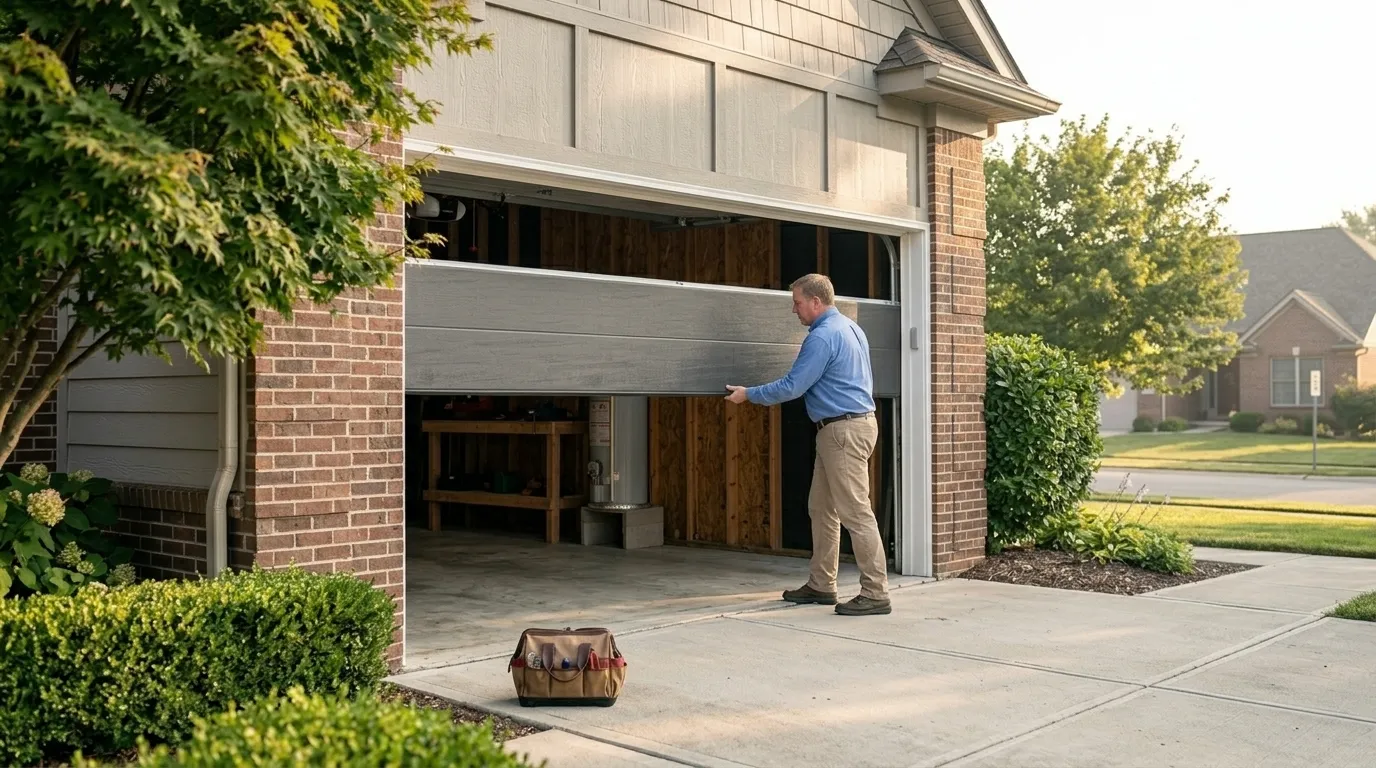
Worn rollers on a Stillwater garage door usually trace back to the same 1960s-70s track hardware. Here's what fails, why, and what a roller swap involves.
Learn more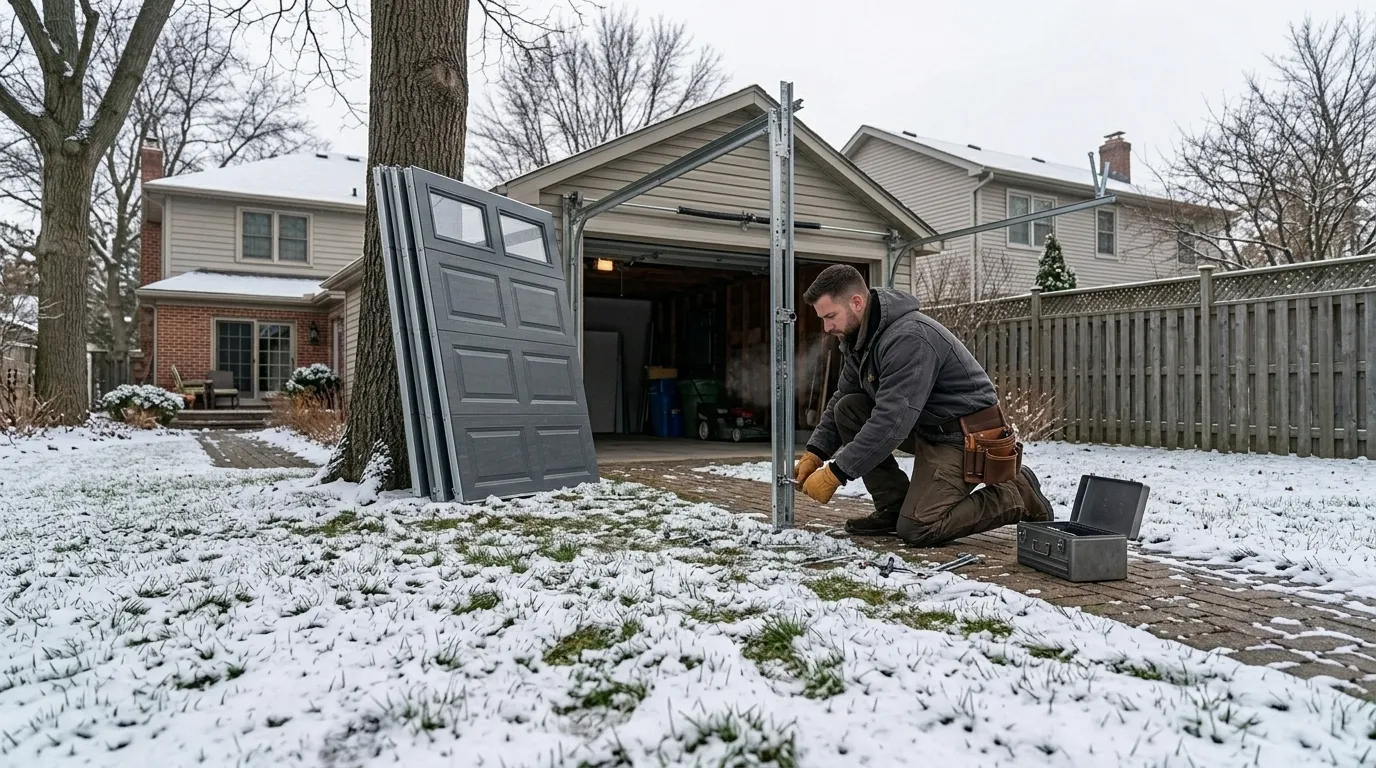
Maintenance built for Stillwater's 1966-1983 housing stock and cold winters. We service the area from Glencoe to Agra. See what wears first and why.
Learn moreCommon Problems
Tell us what the door is doing and where you are, and we will take it from there.
 Serving Stillwater
Why Stillwater Calls Us
Every visit starts by finding what actually failed - not a pre-written parts list.
Springs and openers matched to the door’s weight and age, so the fix holds up.
When a repair makes more sense than a replacement - or the reverse - you hear it plainly.
Tension released safely, hardware set true, the door tested under power before we leave.
6 nearby communities and 7 garage door services.
Call or request a quote online - tell us what the door is doing.
How It Works
Call or request a quote and describe what the door is doing - noise, off-track, won't open.
A tech inspects the springs, tracks, opener and panels and gives you a written price first.
Most repairs are done on the same visit; installs are scheduled around you.
Gallery
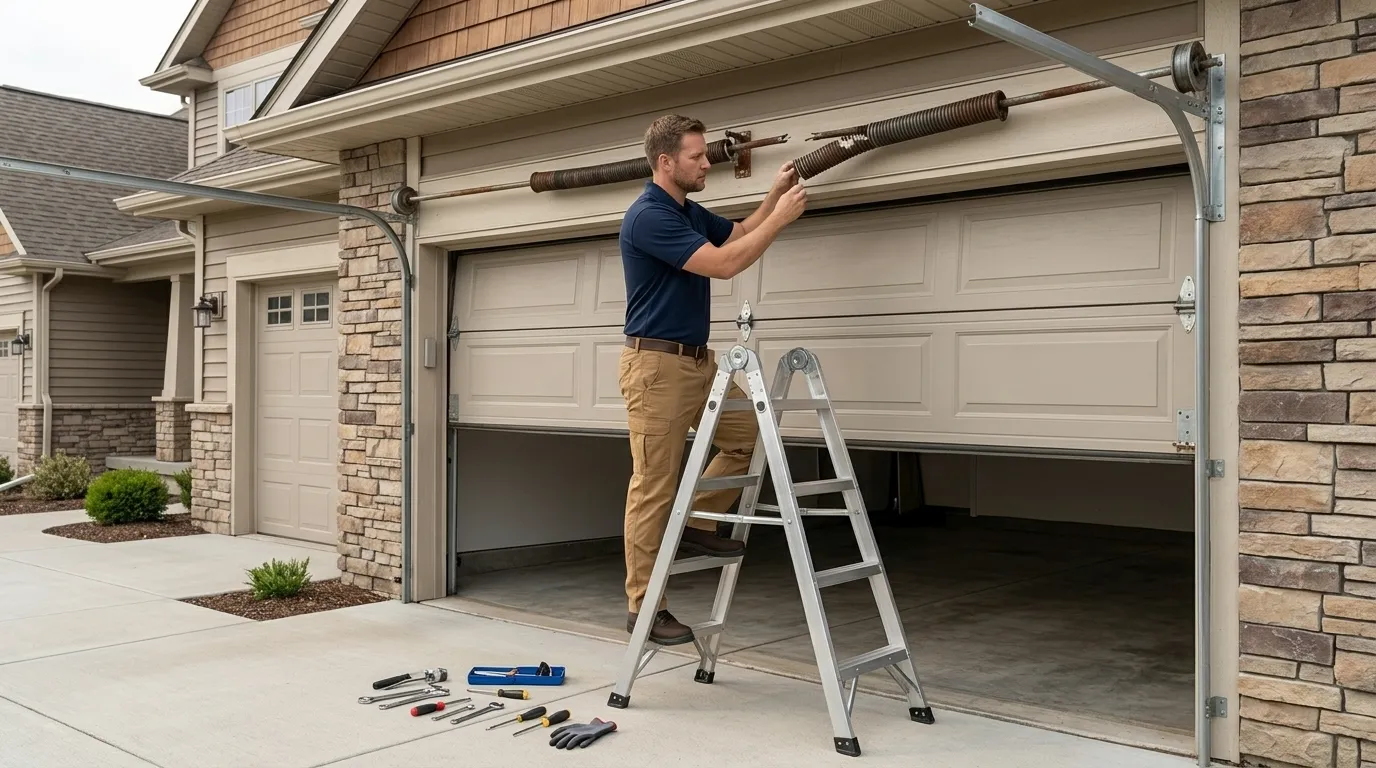
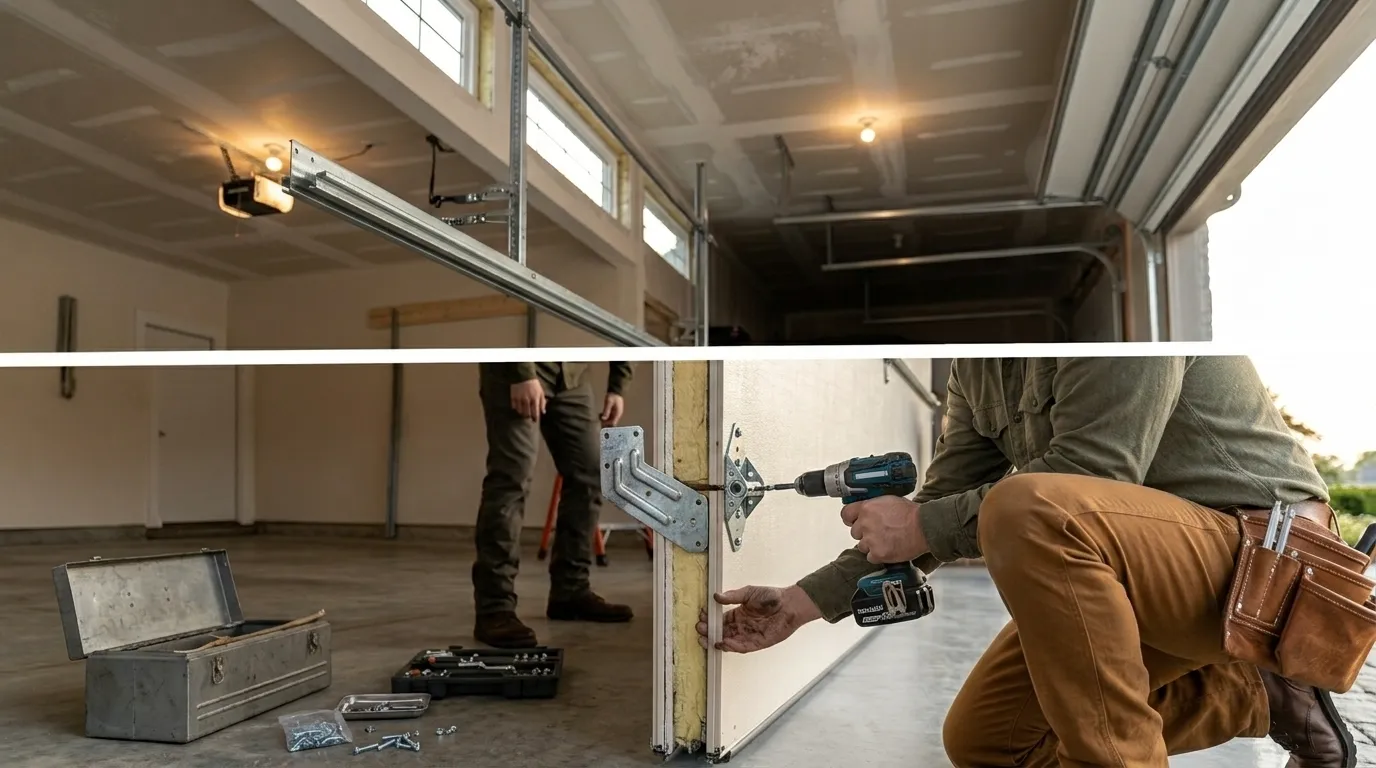
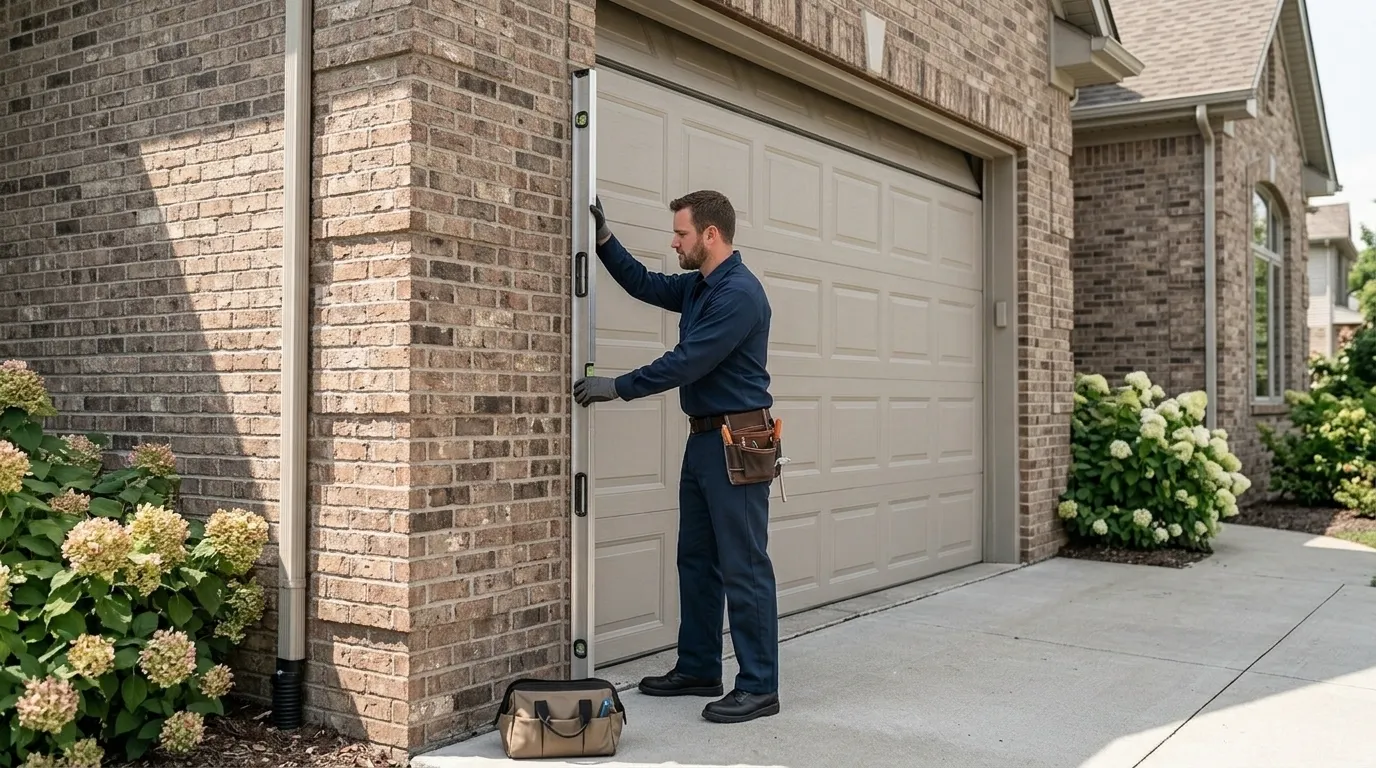
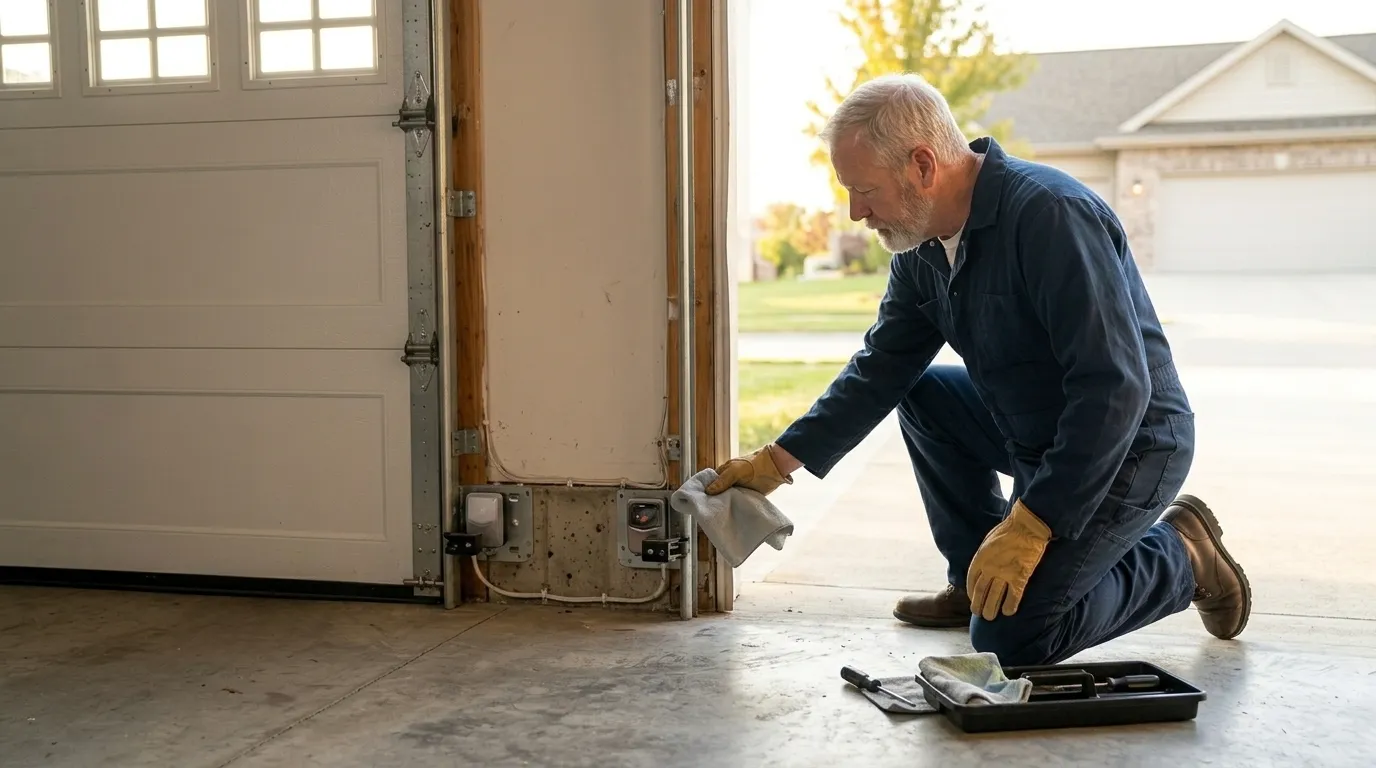
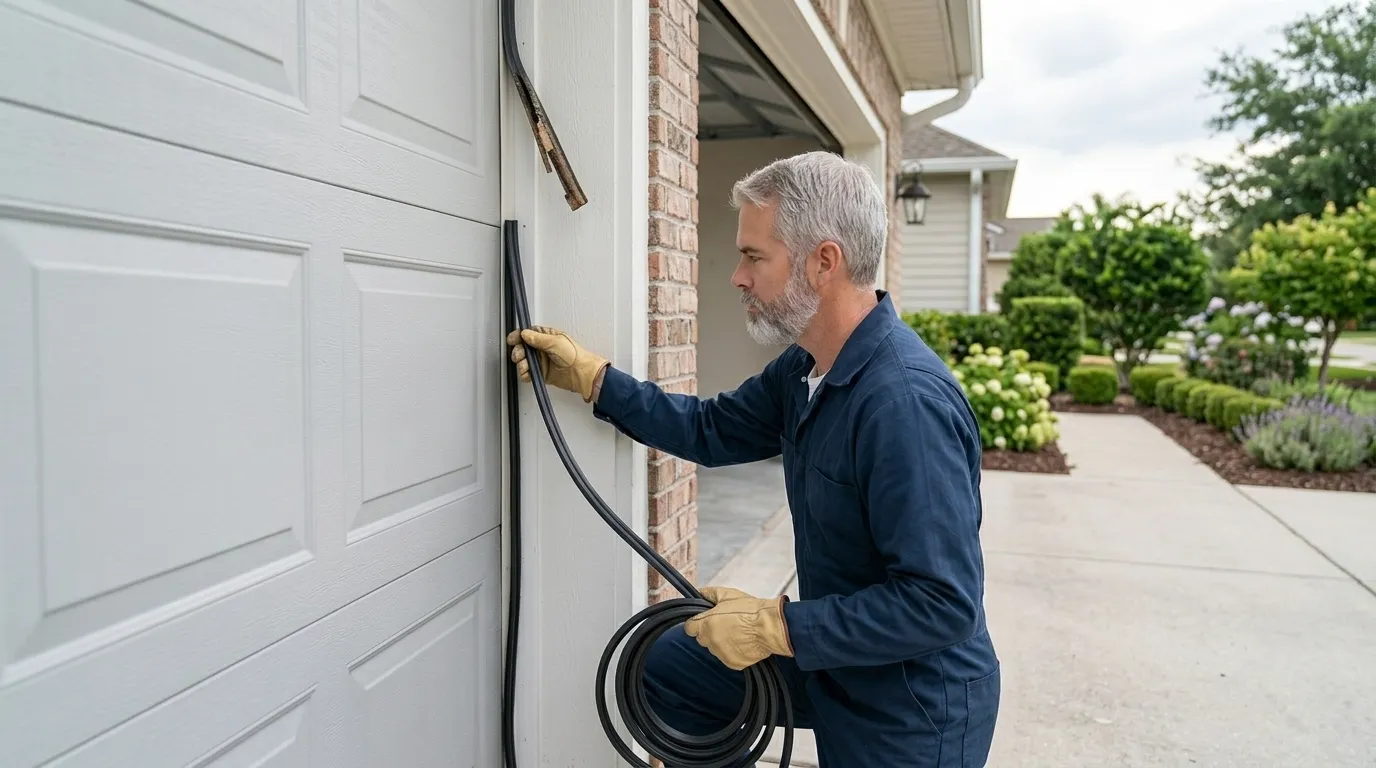
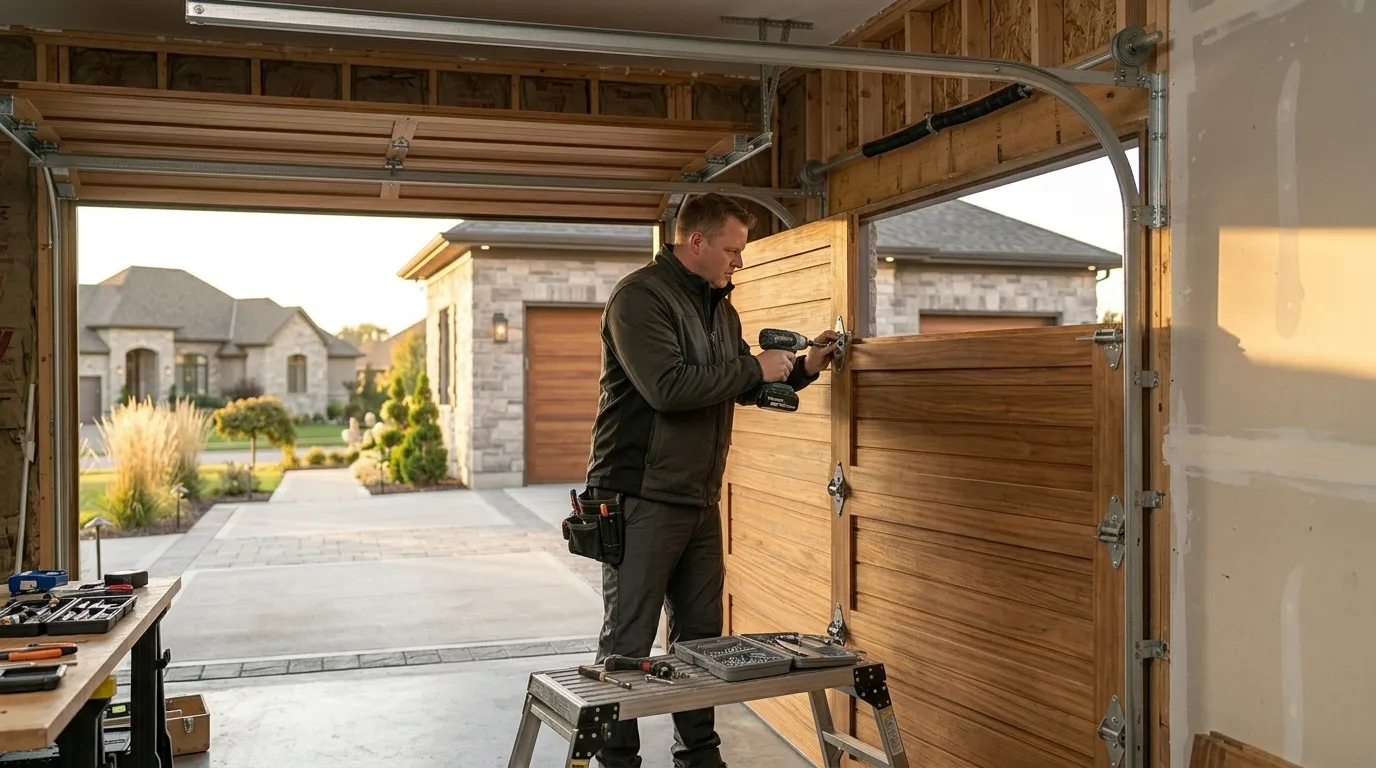
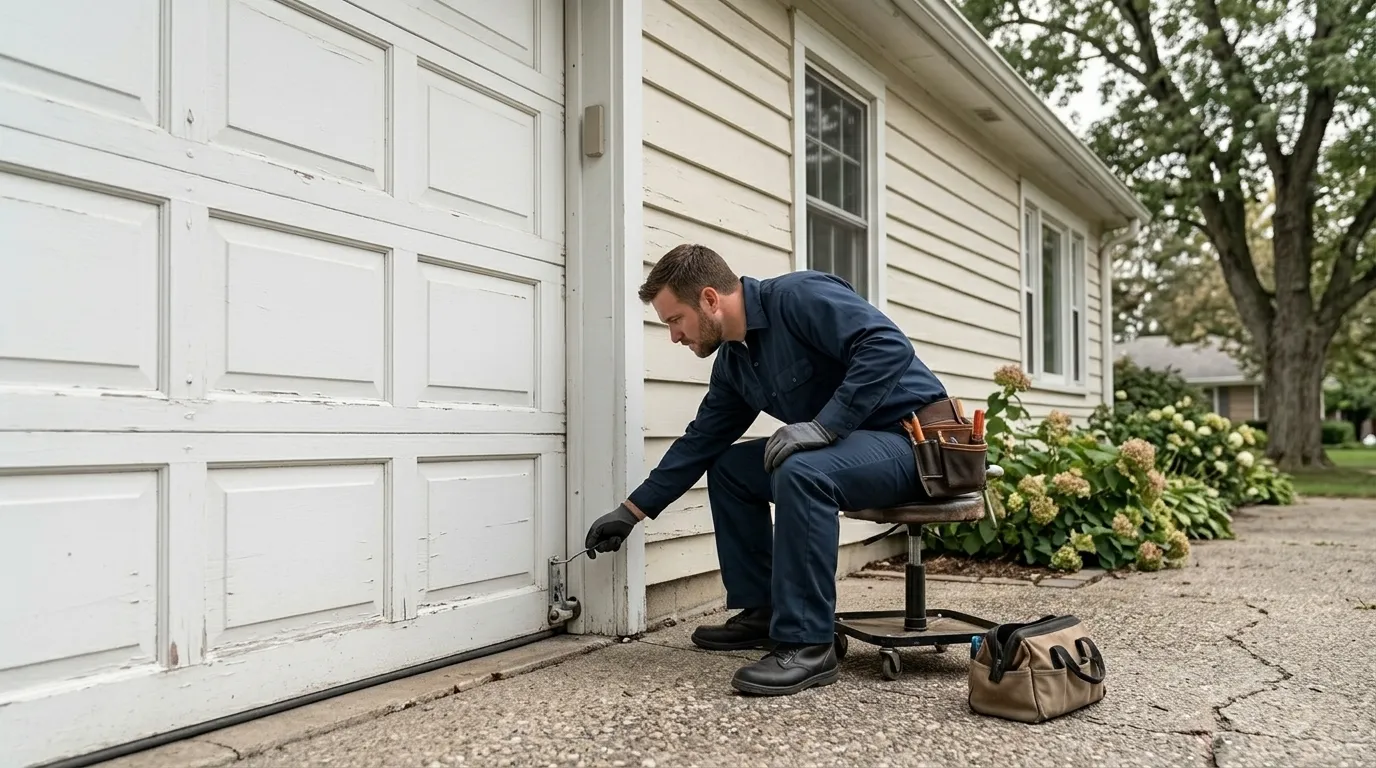
A look at the kind of doors, openers and springs we work on.
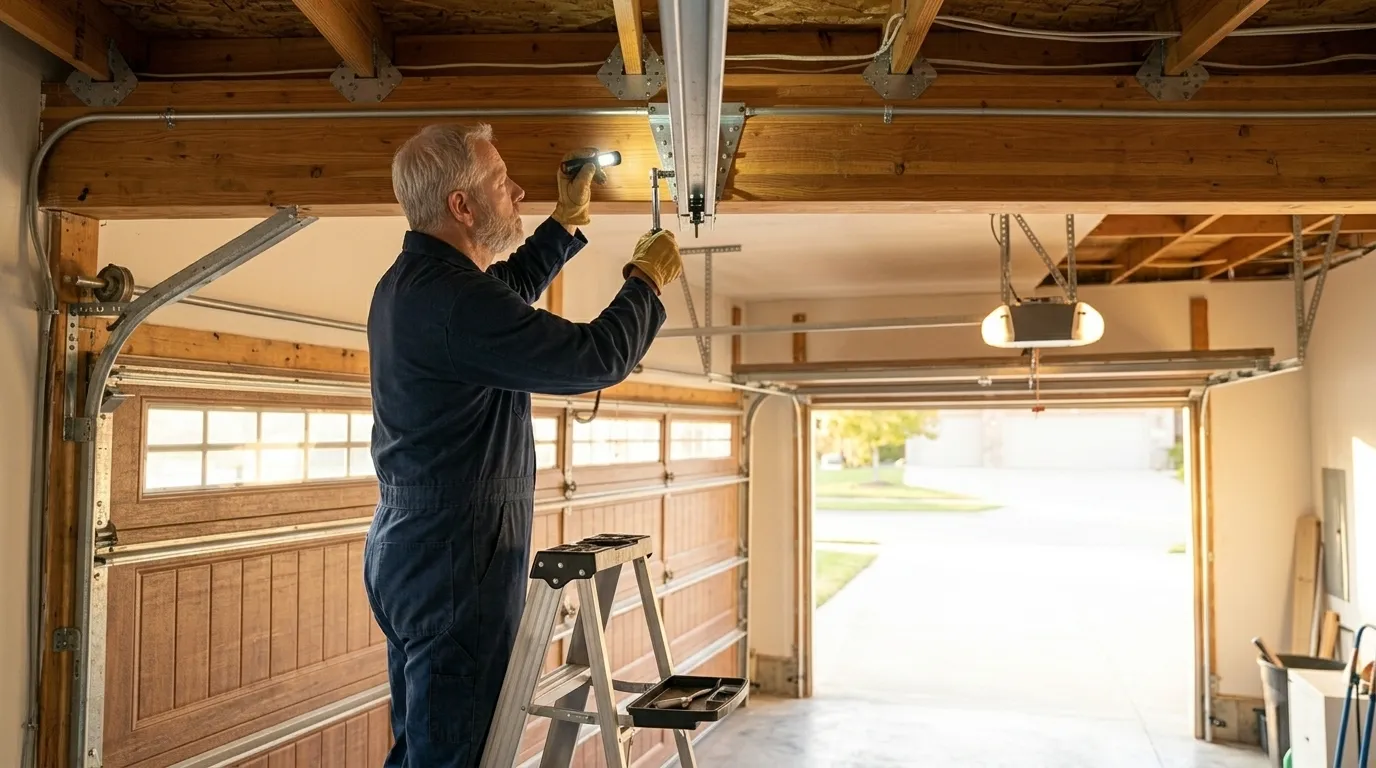
Local Expertise
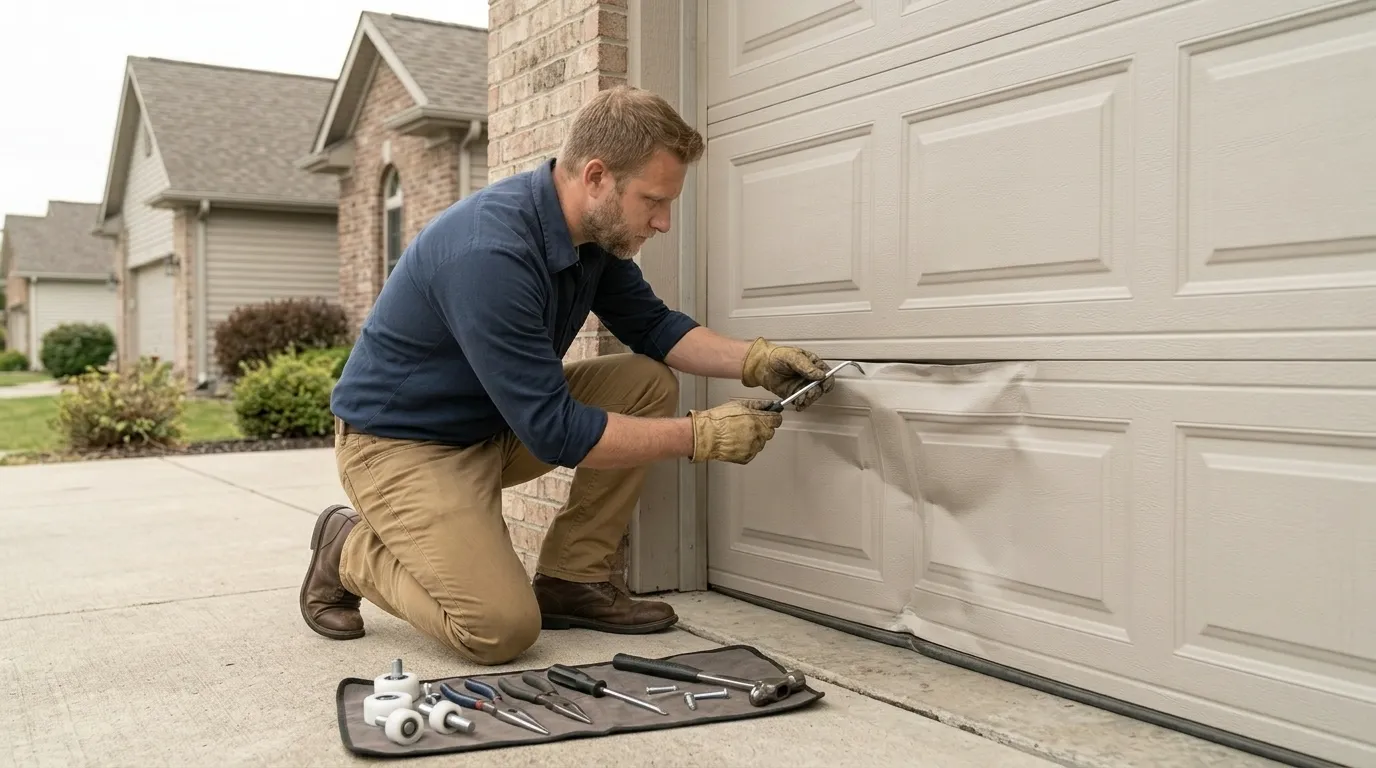
Most of the houses we get called to went up somewhere between 1966 and 1983, with the median build year sitting around 1975. That matters more than people think. A door installed on a house from that stretch is often still running its original torsion hardware, or a replacement from decades back that doesn't match anything sold new today. We see a lot of single-torsion-spring setups on double doors that were never rated for the weight of a modern insulated panel, and rollers that have outlived three or four openers. Across the seven named areas we cover, the pattern repeats: 1960s and 70s construction, garages added or converted later, and hardware nobody has touched since the Carter administration. If your door groans, drags, or slams the last six inches, there's a decent chance the spring or the track was sized for a lighter door than the one hanging on it now. We're not guessing at your street - this is what the stock here actually looks like, and it's why a repair here often means finding a part that matches an older frame, not just swapping in whatever's on the truck.
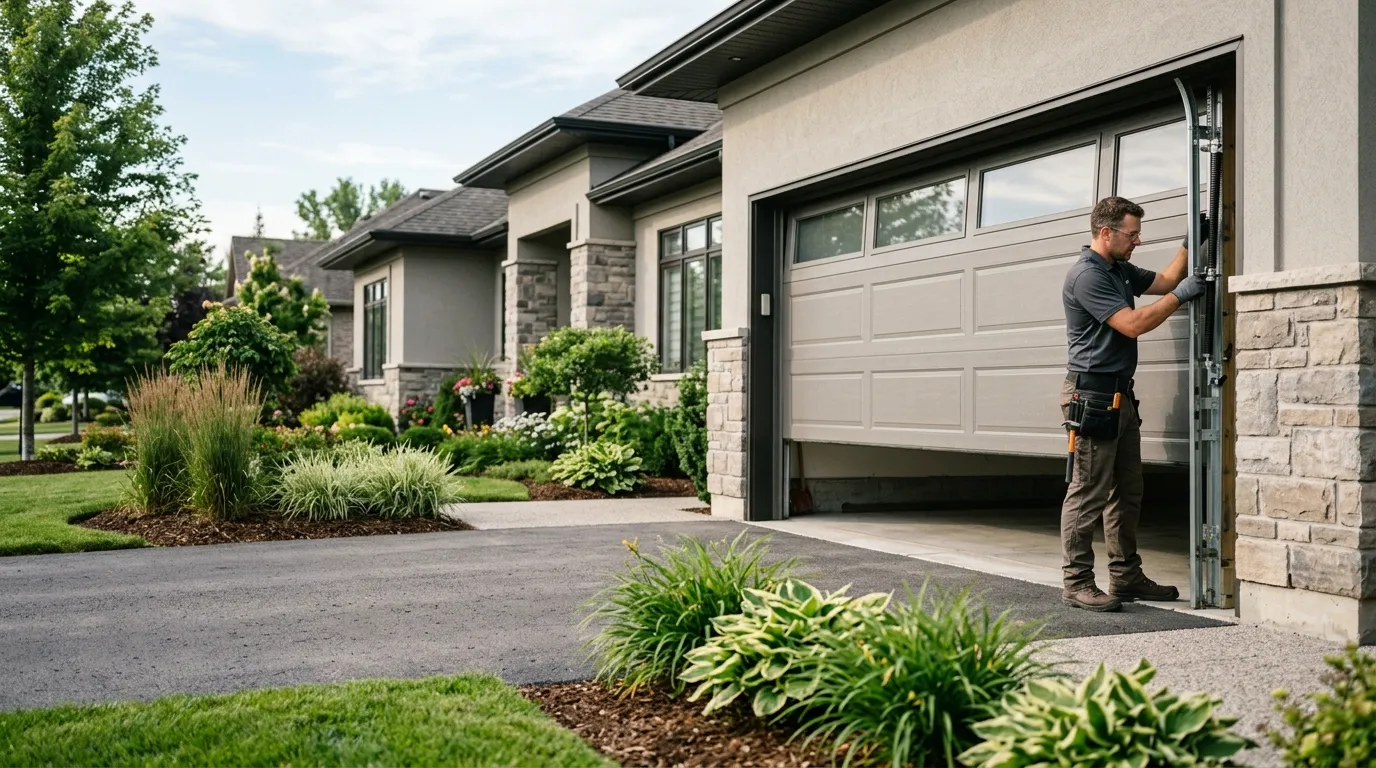
Stillwater sits in a moderate cold climate band, which means the freeze-thaw cycle is real but not brutal - enough to stiffen grease, crack old weatherstrip, and make a marginal spring finally give out on a cold morning, but not the kind of extreme cold that demands a heavier-duty door spec. Newer builds in the area lean toward better-sealed steel panels and insulated cores, but the bulk of the housing we work on predates that shift. Across the service area there are roughly 3,780 households and about 2,327 owner-occupied houses, which tells you this is a market of people who own the place and want it fixed right, not landlords cycling through tenants. That ownership rate is part of why we see so many doors that have had one or two patch repairs over the years rather than a full replacement - people fix what they have instead of tearing it out.
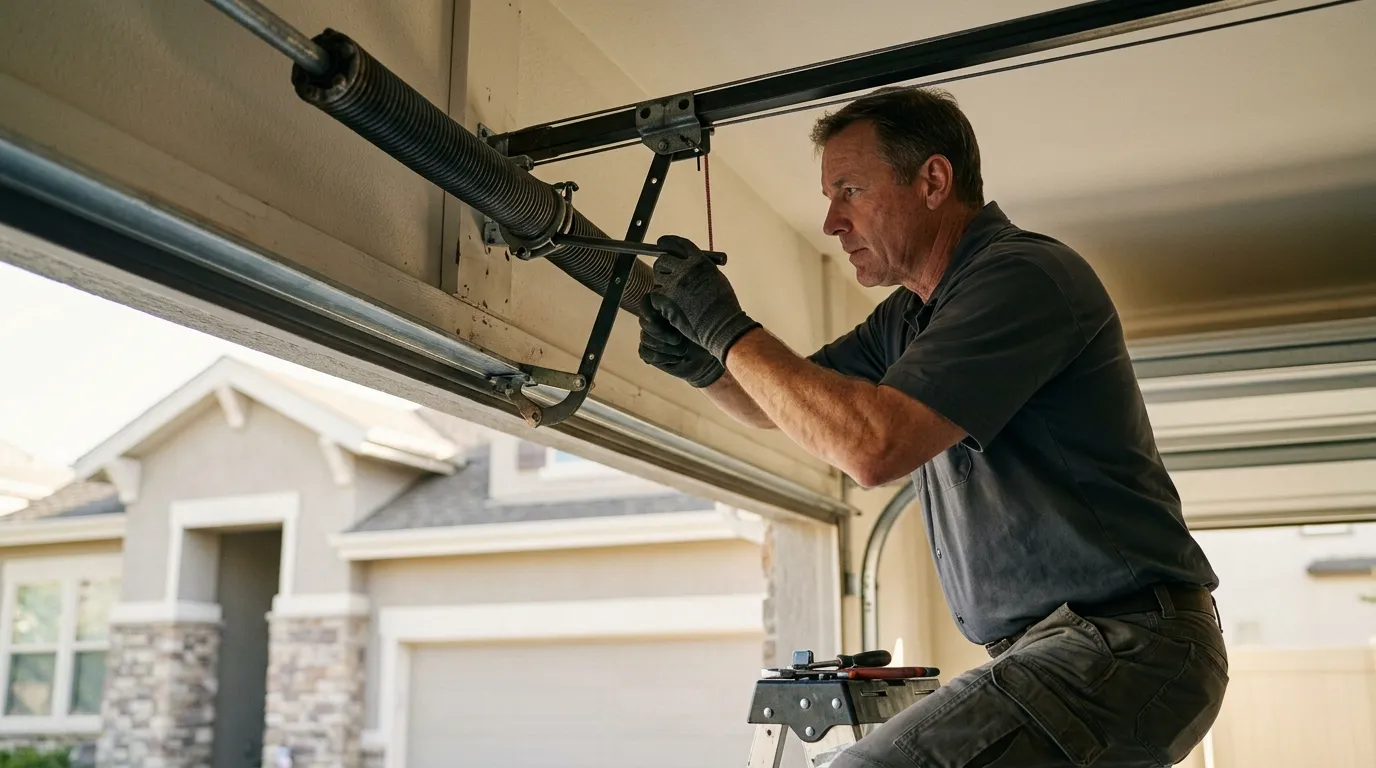
We work out of Stillwater and cover the towns around it - Glencoe, Perkins, and Morrison sit about 11 miles out is around 12, and we'll run out to Perry, Langston, or Agra as well, at 17 to 20 miles depending on the direction. Median household income in the area runs around $43,750, and that shapes how we quote work: we tell you straight when a spring swap will hold for years versus when the opener itself is the real problem, because a $43,750 household budget doesn't have room for a repair that gets undone by the next failure six months later. We don't upsell a full door replacement when a cable and a set of rollers will do the job.
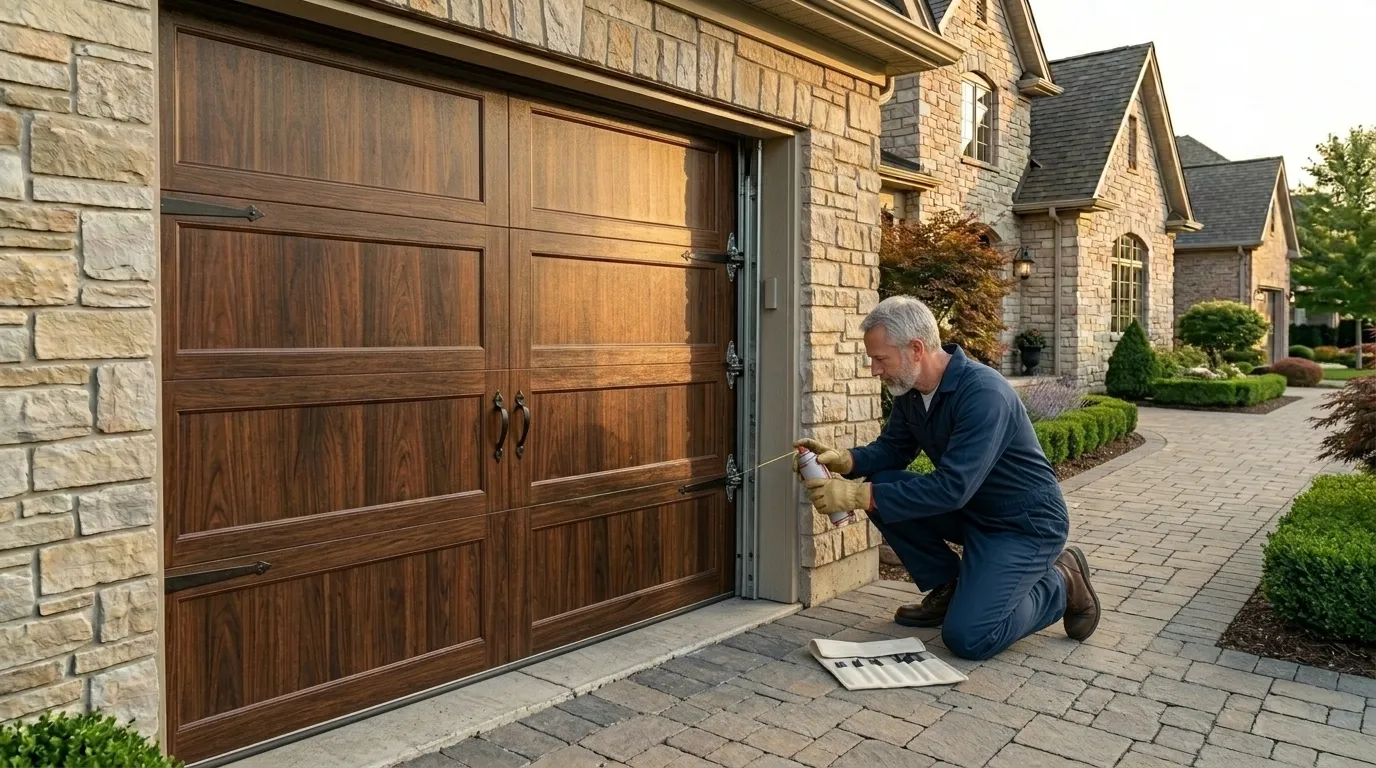
You're not paying for a truck to show up looking busy. You're paying for someone who can look at a torsion spring rated for a door built in 1975 and know whether the replacement on the shelf actually matches it, or whether it needs to be special-ordered. That's the honest limitation here: parts for older, non-standard torsion setups sometimes take longer to source than a same-day fix on a newer door, and we'll tell you that up front instead of promising a fast turnaround we can't back. What you're paying for is the diagnosis being right the first time - spring versus cable versus opener logic board - so you're not paying twice.
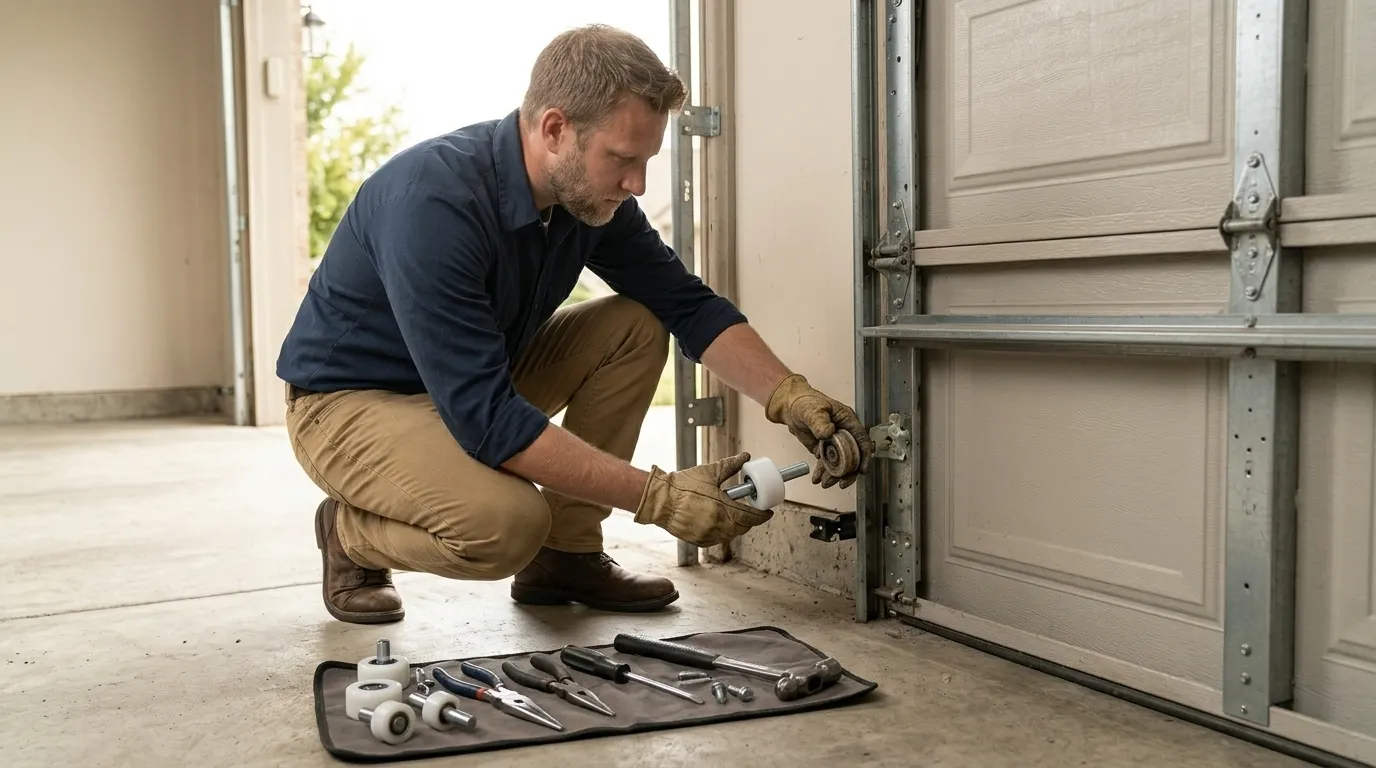
You call, you describe what the door's doing - won't open, opens crooked, makes a bang and stops - and we ask about the age of the house and whether the door's original, because on a lot of the 1960s-70s stock around here that one detail changes what we bring. We come out, look at the spring size, the track alignment, the opener, and tell you what's actually wrong before we touch anything. If it's a straightforward repair, we do it that visit. If a part has to be matched to an older frame, we tell you that too, rather than jury-rigging something that fails again in a month.
Good to Know
On a lot of houses built between 1966 and 1983 around here, the original torsion spring was sized for a lighter door than what's hanging now, or it's simply outlived its cycle count. If it's breaking repeatedly, the spring itself is probably undersized for the door - a wind or fatigue issue that a straight swap won't fix if the replacement is the same wrong size.
Yes - we run out to Glencoe, Perkins, and Morrison at around 11 miles at about 12, and Perry, Langston, and Agra at 17 to 20 miles. Distance affects scheduling more than anything else, so mention your town when you call.
That depends on the door. A lot of the housing stock here dates to the 1960s and 70s, and torsion hardware from that era isn't always something we carry on the truck. We'll tell you on the visit whether it's an in-stock fix or a special order, rather than guessing.
Depends what's failing. A worn spring, cable, or roller set is usually a repair. If the panels themselves are rusted through or the track is bent beyond adjustment, replacement often costs less over time than repeated patch jobs - we'll tell you which situation you're in.
Call or request a quote - tell us what your door is doing and where you are.
